29 Oct 2026
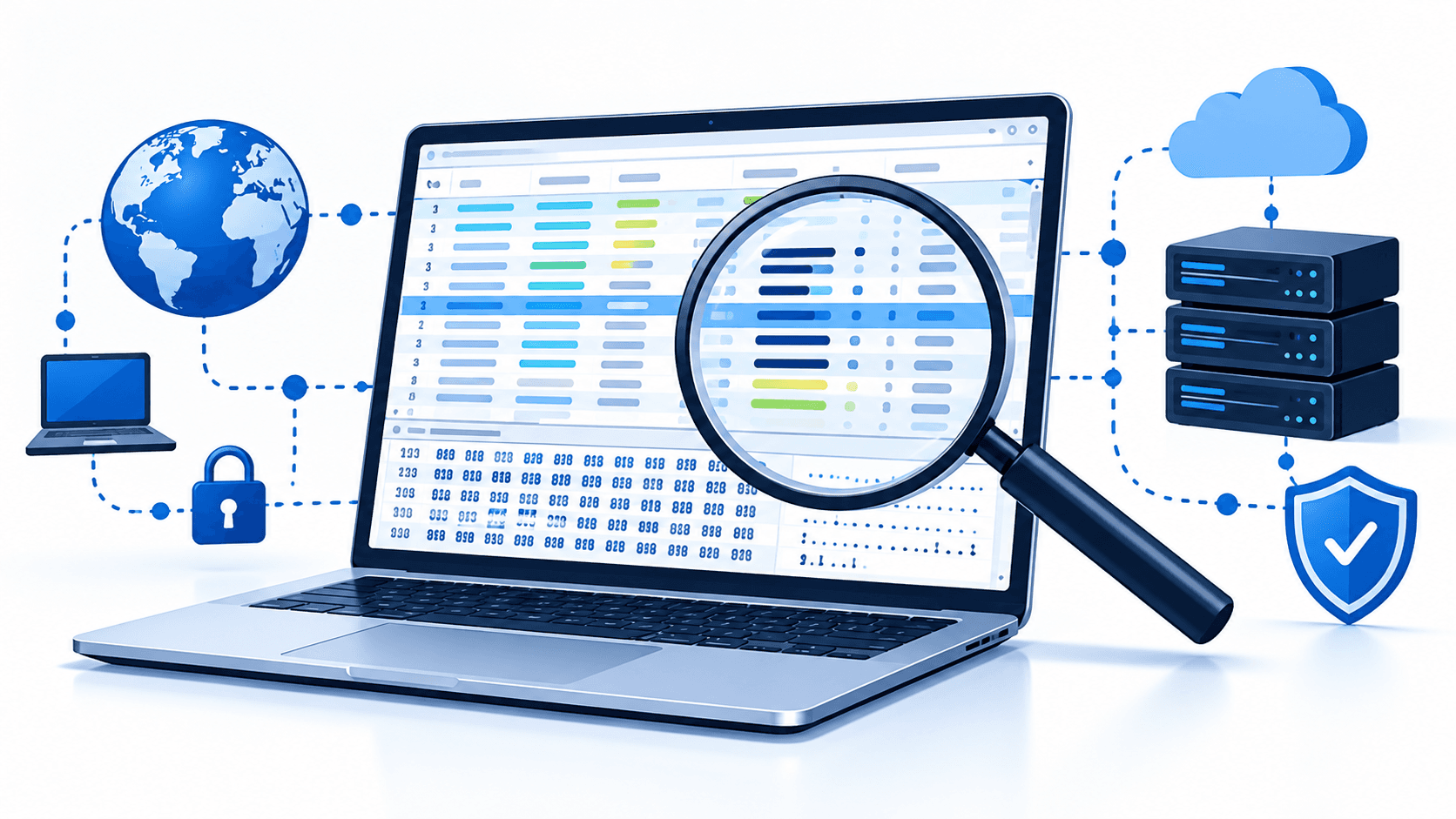
How to Investigate Encrypted Network Traffic with Wireshark
Learn how investigators analyse encrypted traffic using Wireshark and Windows tools.
Find clear notes, practice material, and forensic science topics in one place.
Start with a discipline
34 topics
30 topics
30 topics
49 topics
123 topics
33 topics
32 topics
30 topics
30 topics
30 topics
31 topics
33 topics
30 topics
33 topics
25 topics
33 topics
Latest from the journal
Learn how investigators analyse encrypted traffic using Wireshark and Windows tools.
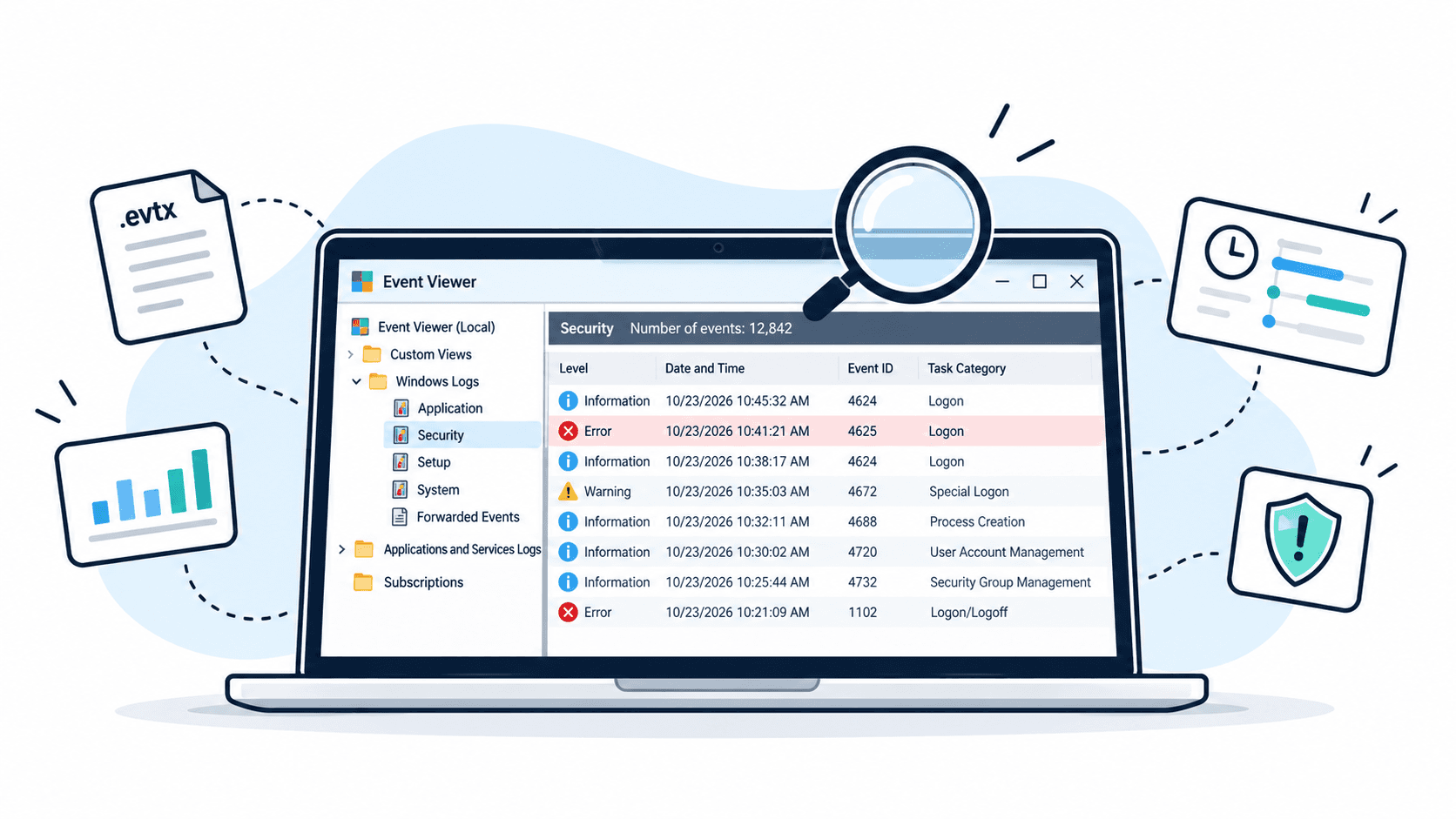
Learn how to analyze Windows Event Logs for suspicious activity using Event Viewer, key Security Event IDs, PowerShell commands, and forensic timeline analysis.
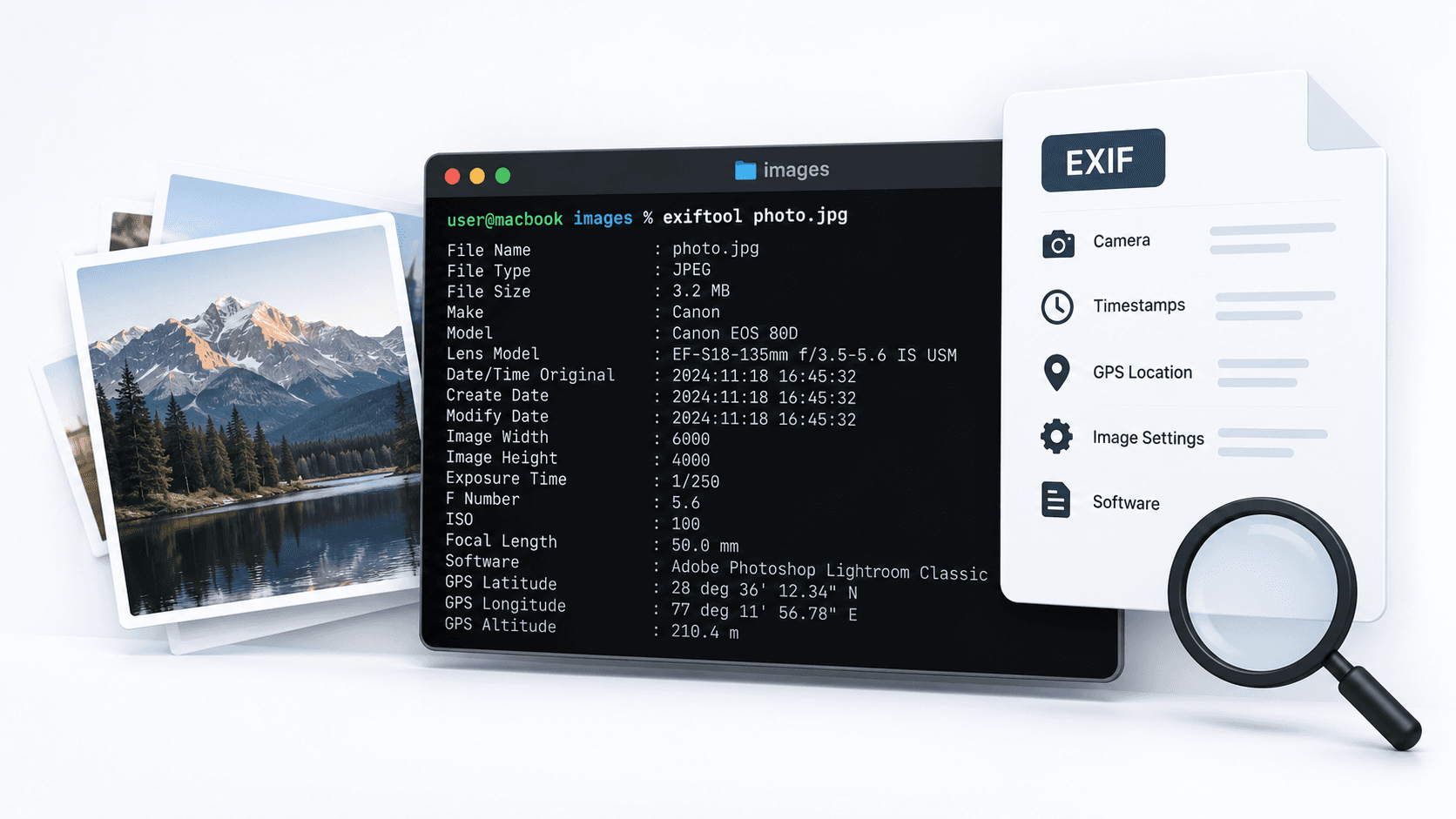
Learn how to check what information photos are hiding, from camera details and timestamps to GPS locations, using ExifTool.

Discover how digital forensics can recover traces of deleted AI chatbot conversations.
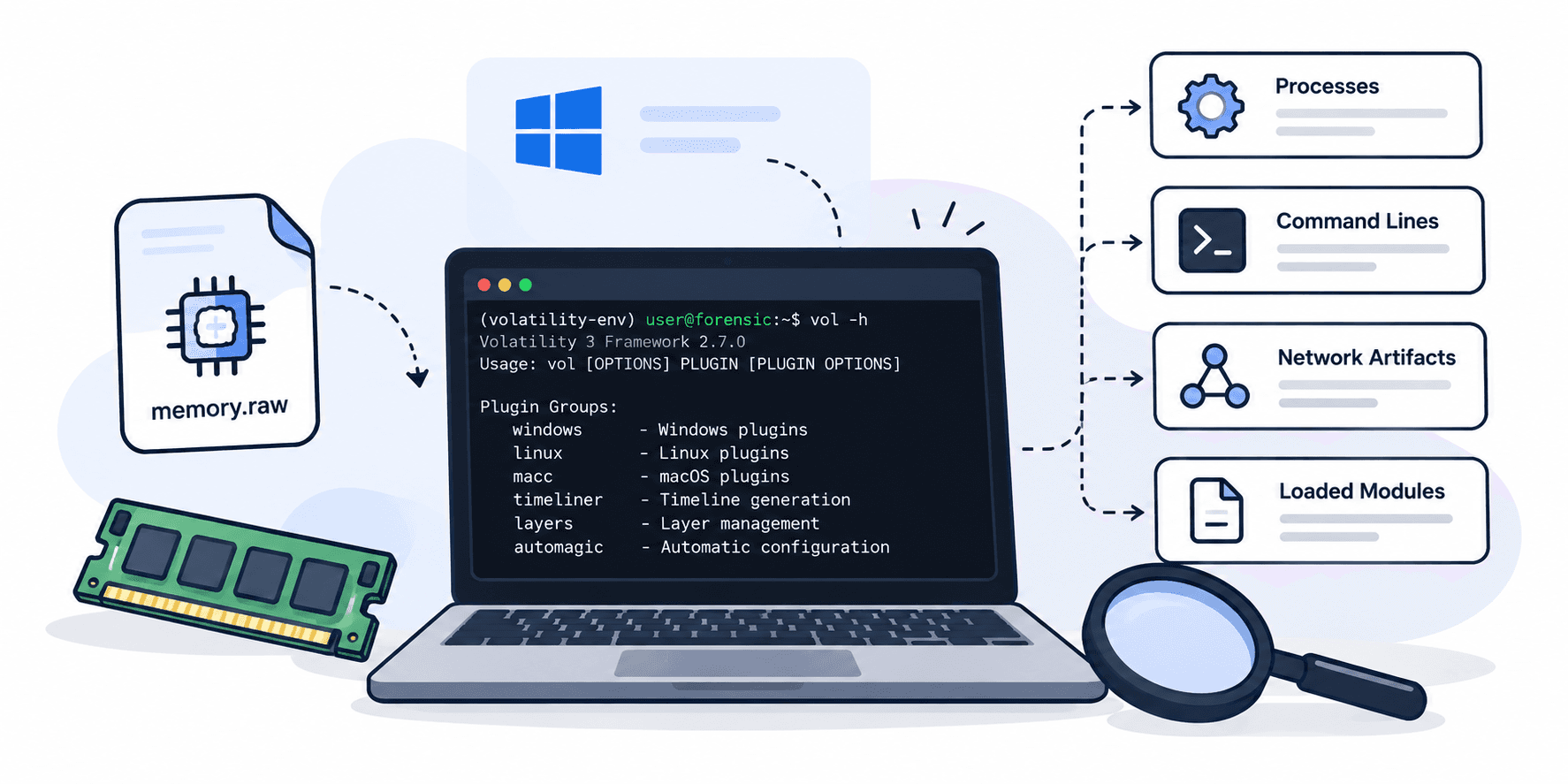
Learn how to analyze memory dump step by step guide for Volatility 3

Discover how compromised AI agents can become attack vectors, what forensic evidence they leave behind, and how investigators can trace their actions. Read the full article to understand the risks and strengthen your approach to AI-driven cyber investigations.
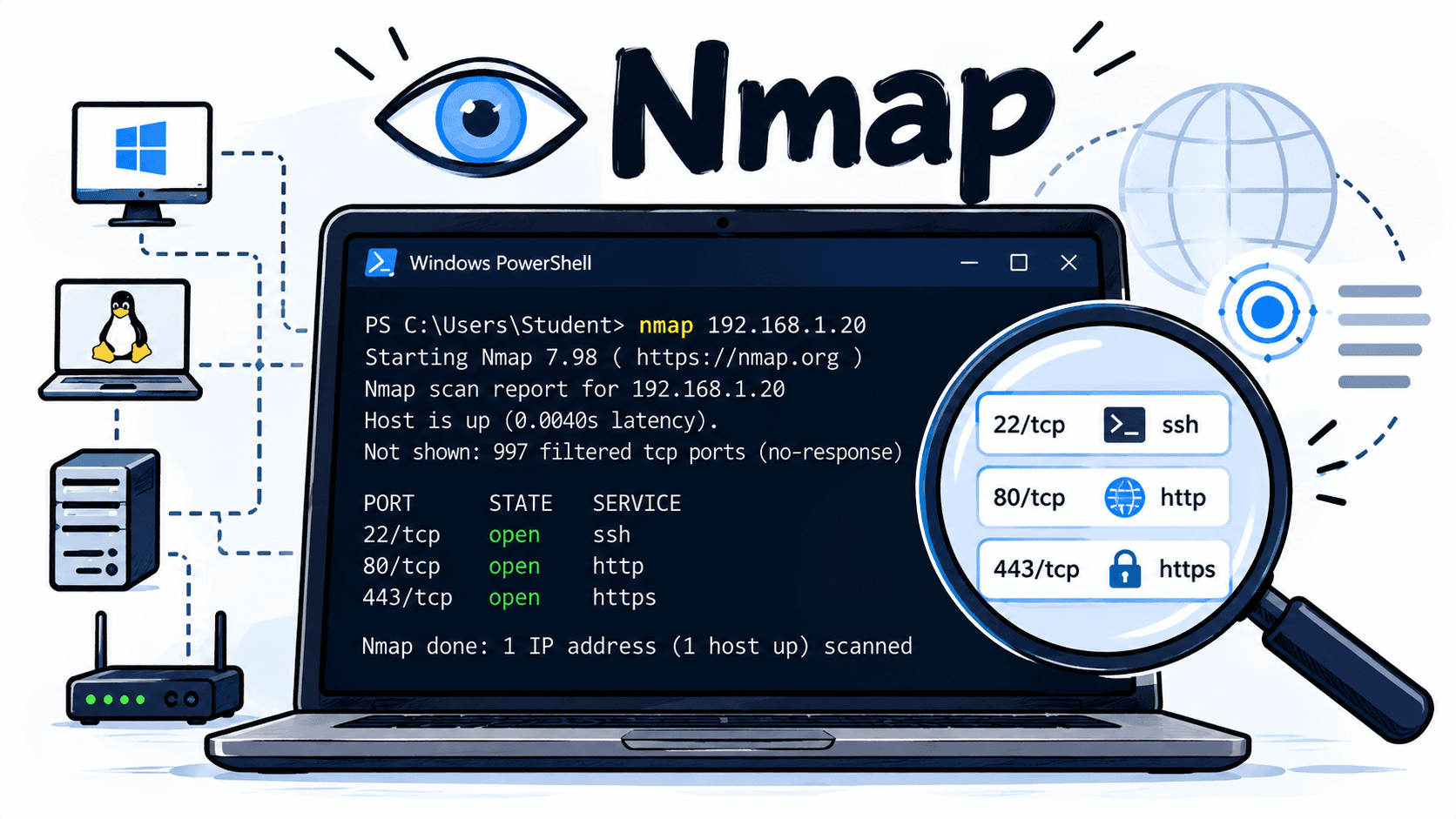
New to network scanning? Learn how to use Nmap to discover hosts, identify open ports, detect running services, and understand basic scan results. This beginner-friendly guide introduces essential commands and practical examples to help you start exploring network security in an authorized lab.
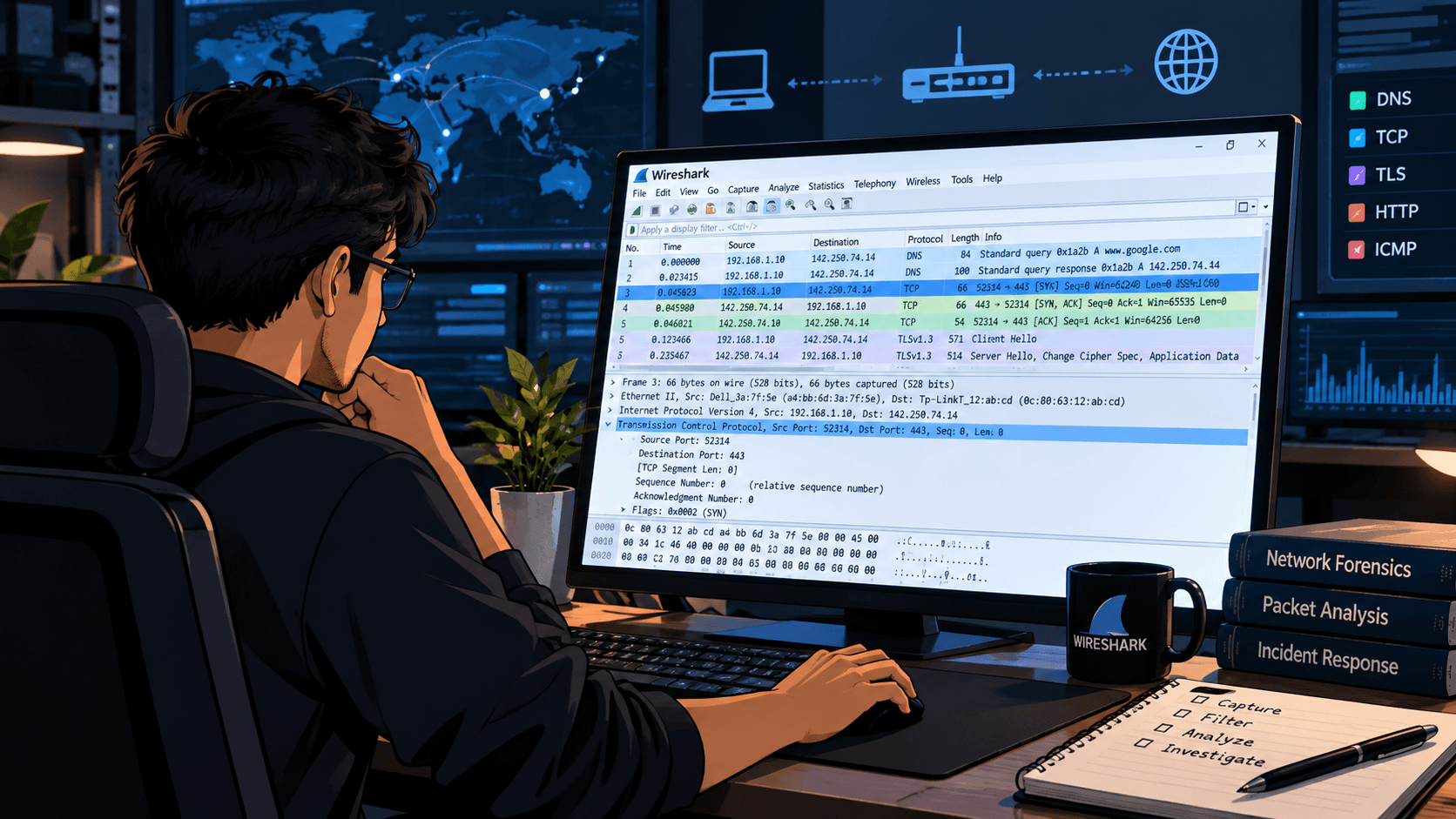
Learn how to use Wireshark to capture and analyse network traffic, apply display filters, inspect packets, and identify unusual communication patterns. This beginner-friendly guide covers essential features and practical examples to help you understand network behaviour and build foundational network forensics skills.
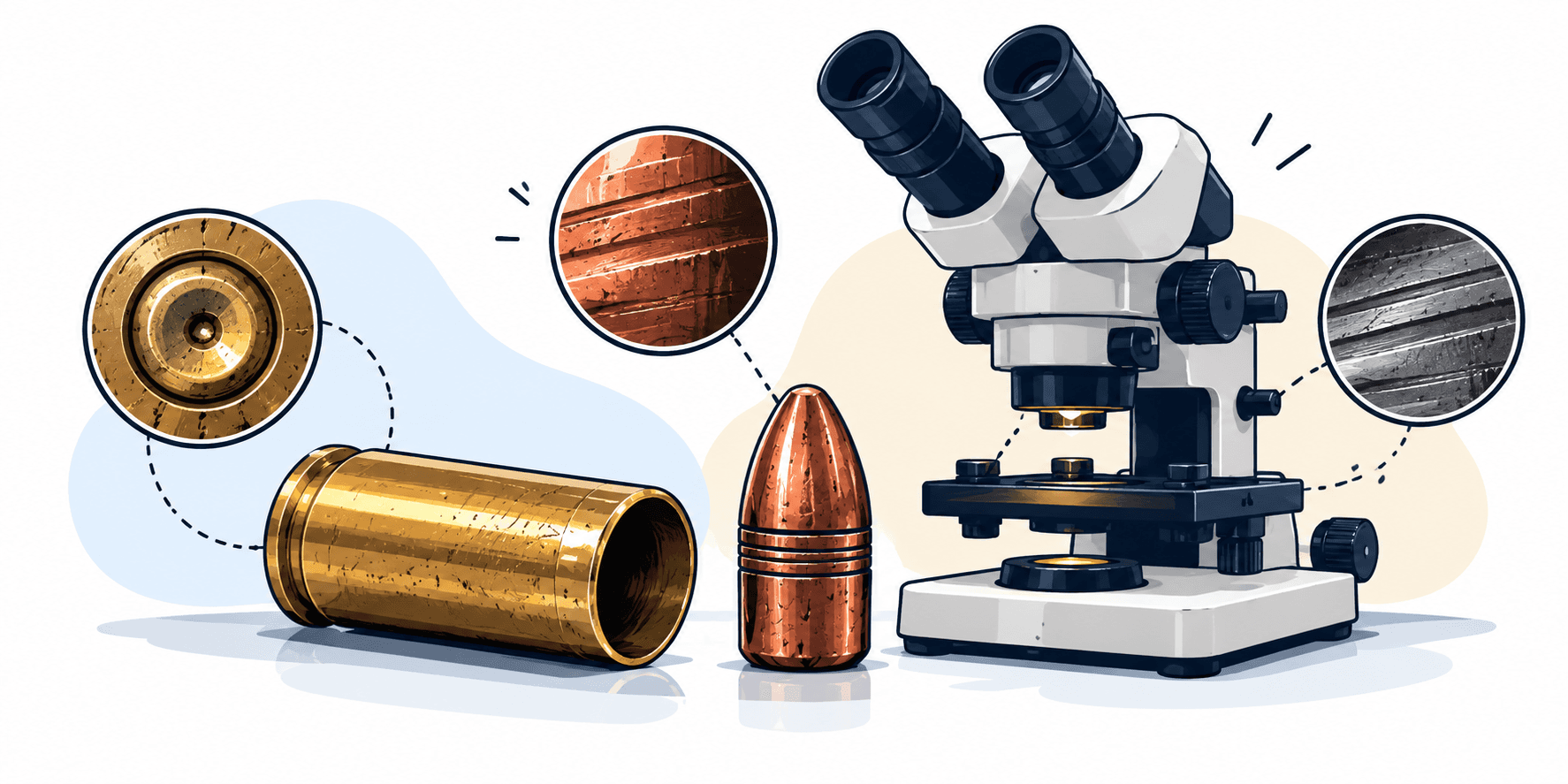
Learn how forensic experts examine bullets and cartridge cases, compare microscopic toolmarks, use comparison microscopes and interpret ballistic evidence.

Choosing between Wireshark and NetworkMiner for network forensics? Discover how these tools differ in packet analysis, host identification, file extraction, and network investigation

Learn how to investigate a potentially malicious Android APK using static and dynamic analysis. Explore suspicious permissions, application components, embedded URLs, network behaviour, and indicators of compromise using practical forensic tools. Discover how analysts identify potential malware activity and document findings safely in a controlled lab environment.
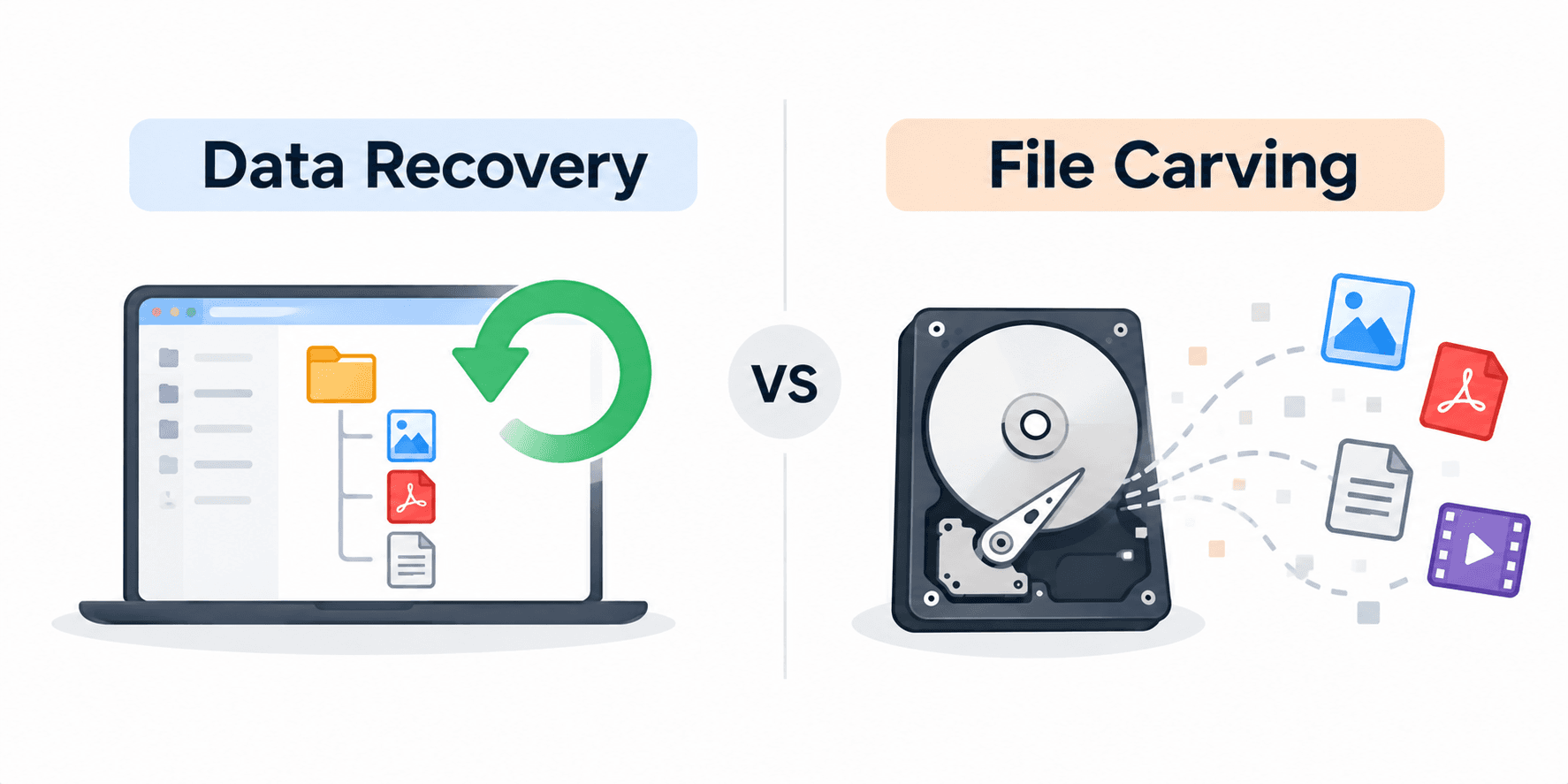
If a file is deleted from a computer, is it actually gone?
From the community
Hello everyone, I am preparing for UGC NET JRF Forensic Science (December 2026). I am currently working full-time with a 9:00 AM–5:00 PM schedule and finding it challenging to balance work and preparation. Could those who have cleared NET/JRF while working share: • Your daily study timetable• Number of study hours on weekdays and weekends• How you managed revision and mock tests• Paper I vs Paper II time allocation• Any mistakes to avoid during the last 4 months of preparation My goal is to achieve a JRF-level score, and I would greatly appreciate any practical advice, study plans, or success stories from working professionals. Thank you in advance!
How I goona revaluate my practice test ,sometimes it says retake sometimes it shows my correct and incorrect answer . How to use it properly
What is Sibling NET written everywhere in notes reference
With the FACT and FACT Plus results out, congratulations to everyone who appeared for the exams. A lot of hard work, dedication and patience go into this journey, and every effort deserves to be appreciated. If ForensicSpot was a part of your preparation, we'd love to know how it helped you. Feel free to share: • Your college or university • Your FACT or FACT Plus result (if you're comfortable sharing it) • Which resource on ForensicSpot helped you the most • One piece of advice for future aspirants Your experience could help and motivate students who are just starting their preparation. Every success story, suggestion and feedback helps make ForensicSpot a better platform for the entire forensic science community. Thank you for being a part of this journey and for trusting ForensicSpot during your preparation. Looking forward to reading your experiences and celebrating your achievements together. ❤️
Forensic science glossary
Short definitions with links to deeper explanations.
Photography at a reproduction ratio of 1:1 (image sensor size equals subject size); the mandatory standard for all latent fingerprint photography b...
Macro photography at a reproduction ratio of 1:1, meaning the image on the camera sensor is the same physical size as the subject; the standard for...
Porcine or bovine gelatin at 10 g per 100 mL water, chilled to 4°C, calibrated with a 4.5mm steel BB at 590 fps. The BB must penetrate 8.3-9.5 cm....
The small-subunit ribosomal RNA gene in bacteria (~1,550 bp). The V3-V4 hypervariable region (~470 bp) is amplified with universal bacterial primer...
A targeted sequencing approach that amplifies a variable region of the bacterial 16S ribosomal RNA gene, which acts as a universal phylogenetic mar...
The gene encoding the 16S ribosomal RNA subunit present in all bacteria and archaea. Conserved regions allow universal amplification; hypervariable...
The legal age at which a person transitions from child to adult in most jurisdictions, triggering different rights, protections, and legal exposure...
The ratio of oxygen-18 to oxygen-16 in a sample expressed in per-mil deviation from the Vienna Standard Mean Ocean Water (VSMOW) standard. More neg...
Practice with mock tests, learn from structured notes, and get your questions answered by a global forensic community, all in one place.